
Logical fallacy
Base-rate neglect
Disregards the relevant prior frequency of a condition when using case-specific evidence to estimate how likely the condition is.
Also called Base-rate fallacy, Base-rate ignorance
Examples
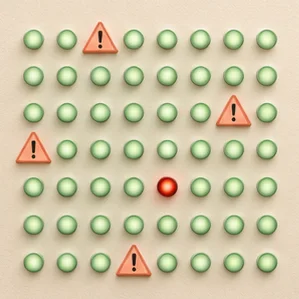
The warning identifies nine out of ten real faults. A positive result means a fault is almost certain even though faults are extremely rare and false alarms are common.
Rory is quiet and enjoys puzzles, so Rory must be a professional logician rather than an office worker, regardless of how common each job is.
A defect affects 1% of shipments, but the analyst sets that fact aside when interpreting a positive screening result.
A similar case that can be sound
The analyst combines the verified defect prevalence with both test rates or uses precision measured in the same population.