
Cognitive bias
False consensus effect
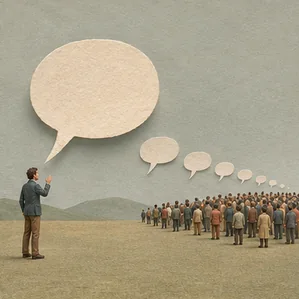
Overestimates how many other people share one’s own preferences, attitudes, or behavior, often by treating a familiar social circle as representative.
Examples
I enjoy the late train and my friends do too, so I assumed most commuters prefer it.
I rarely read the notices, which makes it feel obvious that almost nobody reads them.
A similar case that can be sound
A representative rider survey measured the shares of early and late train preferences.