
Causation

Correlation implies causation
Two phenomena occur together or vary together, so one is said to cause the other. The pattern alone leaves open coincidence, reverse causation, and ot...
172 entries
Explore logical fallacies and cognitive biases. Search by name, alias, or a term from the definition.
9 results
Two phenomena occur together or vary together, so one is said to cause the other. The pattern alone leaves open coincidence, reverse causation, and ot...

Claims to explain a mental or functional ability by imagining an internal agent that already possesses that same ability. The explanation relocates th...

The argument says A causes B because the two are associated while overlooking a third factor that could cause both. The shared cause can account for t...

Uses temporal succession as sufficient evidence that the earlier event caused the later one.
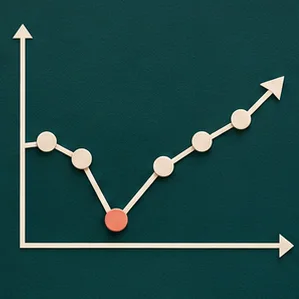
Attributes a less extreme later measurement to an intervention or cause without accounting for the tendency of unusually extreme, noisy measurements t...

Treats an outcome as inevitable under the circumstances simply because it actually happened. Observing which possibility materialized does not establi...
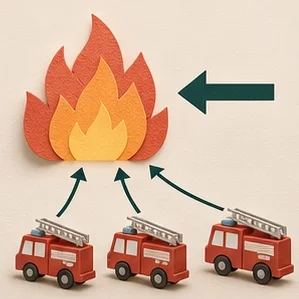
The speaker assumes the direction of influence runs from A to B when the observed relationship could arise because B influences A. The association doe...

A complex outcome is attributed entirely to one factor even though several factors may contribute independently or interact. Showing that one cause ma...
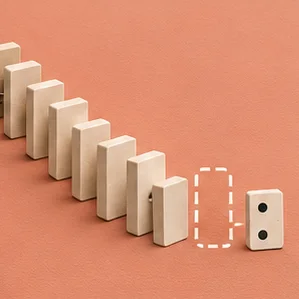
Uses a predicted chain from a first step to a significant endpoint despite inadequate support for crucial links or the lack of a stopping point.


