
Cognitive biases

Anchoring bias
Lets an initial figure or reference point pull a later estimate toward it, even when independent evidence gives little reason to start there.
172 entries
Explore logical fallacies and cognitive biases. Search by name, alias, or a term from the definition.
12 results
Lets an initial figure or reference point pull a later estimate toward it, even when independent evidence gives little reason to start there.

Estimates how frequent or likely something is by how readily examples come to mind. Vivid or widely reported cases can be easy to recall even when the...

Favors information that supports an existing belief by searching for it, interpreting ambiguity in its favor, or scrutinizing contrary evidence more h...
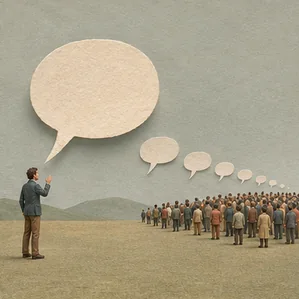
Overestimates how many other people share one’s own preferences, attitudes, or behavior, often by treating a familiar social circle as representative.

Changes a judgment or choice when equivalent information is presented with different emphasis, such as describing the same rates in terms of gains or...

Explains another person’s behavior mainly through lasting traits while giving too little weight to the immediate pressures, constraints, or circumstan...

Lets a favorable impression in one area spill into judgments about other qualities for which that impression provides little evidence.

After learning an outcome, remembers or judges it as having been more foreseeable than the evidence available beforehand warranted.

Experiences a familiar statement as more credible after hearing it repeatedly, even when the repetitions add no independent evidence.

Rates a decision chiefly by the result that happened, giving too little weight to what was knowable, foreseeable, or controllable when the decision wa...

Gives an immediate benefit disproportionate weight relative to later benefits or costs, sometimes reversing a preference when an option becomes availa...

Gives extra weight to keeping the current arrangement because it is already in place, beyond relevant switching costs, risks, or benefits.


